Why Does My Partner Never Listen When I Am Upset?
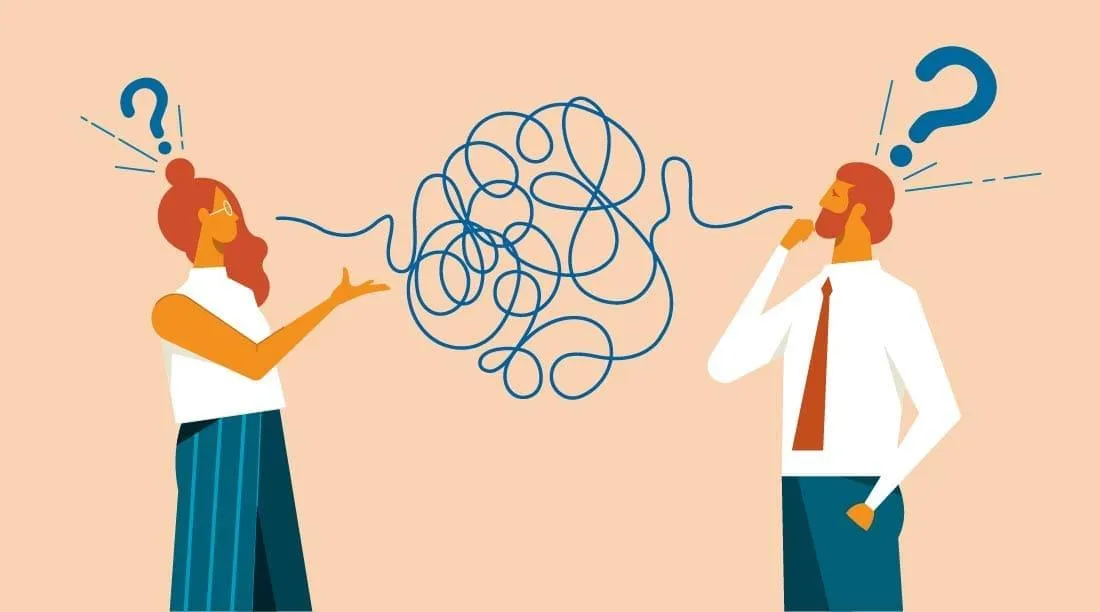
Feeling unheard during times of distress can heighten conflict and create relational dissatisfaction. Listening is not merely about hearing words but about emotional validation.
Studies on active listening show that individuals feel most supported when their partners engage in behaviors such as paraphrasing, empathizing, and asking clarifying questions (Bodie, 2011). However, many individuals default to defensive listening, where the goal is self-protection rather than understanding.
Attachment insecurity can also affect listening. Anxiously attached individuals may over-interpret cues of disinterest, while avoidantly attached individuals may minimize partner distress (Collins & Feeney, 2004). These dynamics reinforce miscommunication.
Couples can improve listening by:
Practicing reflective listening, where one partner repeats back what they heard.
Validating emotions before offering solutions.
Slowing conversations to reduce defensive reactions.
When partners listen to understand rather than to defend, conflicts shift from escalation to connection.
👉 My course Keeping the Love You Find offers structured listening practices to improve connection.
References
Bodie, G. D. (2011). The active-empathic listening scale (AELS): Conceptualization and evidence of validity within the interpersonal domain. Communication Quarterly, 59(3), 277–295.
Collins, N. L., & Feeney, B. C. (2004). Working models of attachment shape perceptions of social support: Evidence from experimental and observational studies. Journal of Personality and Social Psychology, 87(3), 363–383.
