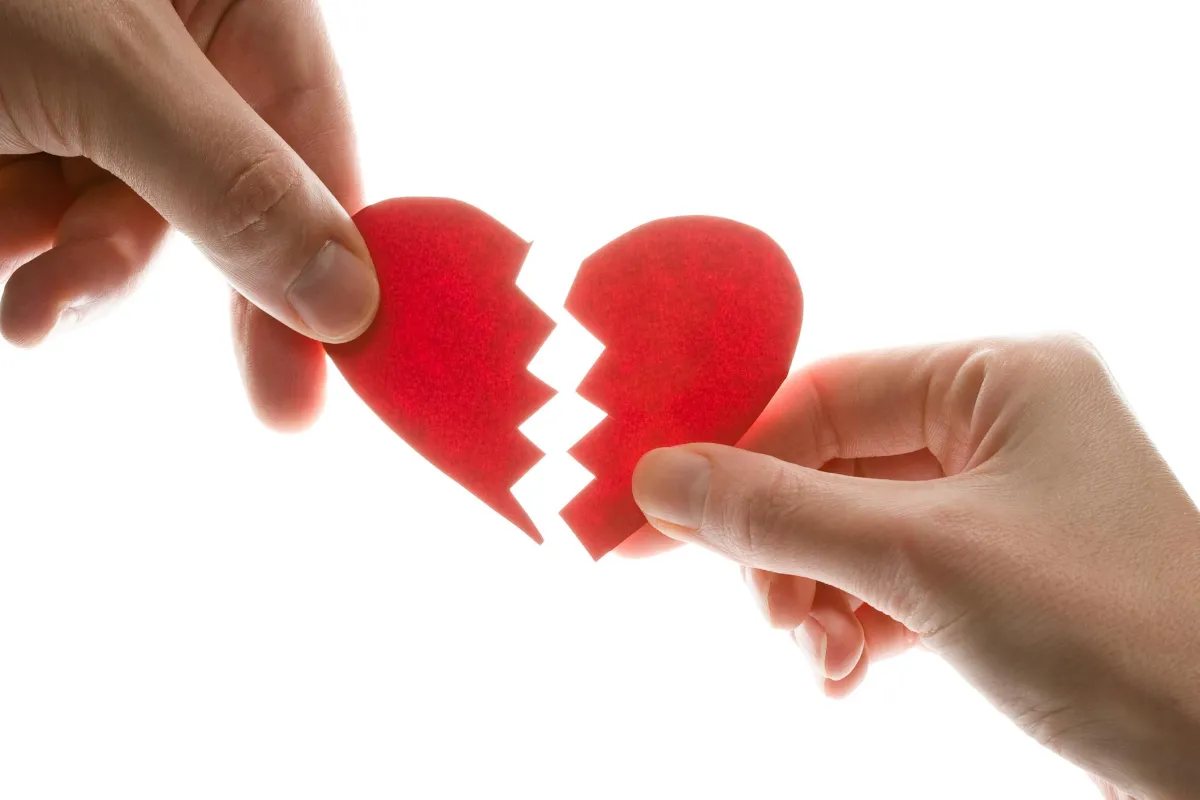
Why Does Breaking Up Hurt So Much, Even When It's the Right Move?
Even when a breakup is clearly the healthier choice, individuals often experience intense grief and distress. Understanding why breakups hurt provides insight into the biological and psychological processes involved in attachment loss.
Neuroscience shows that romantic rejection activates the same brain regions associated with physical pain (Kross et al., 2011). This overlap explains why heartbreak feels not only emotional but also physically painful. Furthermore, dopamine pathways associated with reward and attachment remain active even after separation, leading to cravings similar to withdrawal (Fisher, Brown, Aron, Strong, & Mashek, 2010).
Attachment theory also highlights the distress caused by separation. Humans are biologically wired to seek connection, and the loss of an attachment figure triggers protest behaviors and grief responses (Bowlby, 1980). These responses persist even when the relationship was unsatisfying.
Recognizing breakup pain as a normal neurological and attachment response can reduce self-blame. Individuals should allow themselves time to grieve, engage in social support, and develop new routines to rebuild identity after loss.
Breakups hurt not only because of lost companionship but because of the neurological and attachment systems that bond us. Understanding this helps normalize the grieving process.
👉 For guided recovery practices, see my course Healing After A Breakup.
References
Bowlby, J. (1980). Attachment and loss: Vol. 3. Loss, sadness, and depression. Basic Books.
Fisher, H., Brown, L. L., Aron, A., Strong, G., & Mashek, D. (2010). Reward, addiction, and emotion regulation systems associated with rejection in love. Journal of Neurophysiology, 104(1), 51–60.
Kross, E., Berman, M. G., Mischel, W., Smith, E. E., & Wager, T. D. (2011). Social rejection shares somatosensory representations with physical pain. Proceedings of the National Academy of Sciences, 108(15), 6270–6275.
